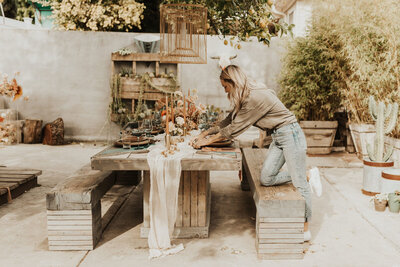

- Notable artistry and winaura showcase innovative design for modern living spaces
- The Philosophy of Harmonious Design
- The Importance of Texture and Materiality
- Curating a Personal Aesthetic
- The Role of Color Psychology
- The Allure of Minimalist Living
- Strategies for Decluttering and Organizing
- The Impact of Lighting on Ambiance
- The Future of Interior Aesthetics and Sustainable Choices
Notable artistry and winaura showcase innovative design for modern living spaces
The concept of creating truly inspiring living spaces has evolved significantly in recent years. Homeowners and designers alike are increasingly seeking designs that blend aesthetics with functionality, creating environments that are not just visually appealing, but also enhance well-being and reflect individual personalities. At the heart of this shift lies a deeper appreciation for artistry – a commitment to craftsmanship, unique materials, and thoughtful details. This pursuit of exceptional design often leads to the discovery of emerging brands and concepts that redefine modern living. One such example of innovative design is embodied in the vision of winaura, a company dedicated to elevating the everyday through beautifully crafted home elements.
The desire for spaces that feel curated, personal, and restorative is driving demand for designs that move beyond simple decoration. Consumers are prioritizing quality over quantity, investing in pieces that tell a story and stand the test of time. This trend is fueled by a growing awareness of the impact that our surroundings have on our mental and emotional health. A well-designed space, filled with objects that resonate with our values and aesthetics, can foster a sense of calm, creativity, and connection. The blurring of lines between indoor and outdoor spaces, the incorporation of natural materials, and the emphasis on sustainable practices are all contributing to this broader movement towards holistic design that prioritizes both beauty and well-being.
The Philosophy of Harmonious Design
Harmonious design isn't simply about matching colors or styles; it's about creating a cohesive narrative throughout a space. It's a delicate balance between form and function, where every element serves a purpose and contributes to the overall feeling of tranquility and flow. Achieving this requires careful consideration of light, texture, color palettes, and the interplay between different pieces of furniture and décor. Understanding the principles of spatial arrangement is also crucial; maximizing natural light, creating clear pathways, and defining distinct zones within an open-plan living area can significantly enhance the usability and aesthetic appeal of a space. It’s about allowing each item to breathe and contributing to a greater sense of calm and order.
The Importance of Texture and Materiality
Texture and materiality play a vital role in creating depth and visual interest within a space. Incorporating a variety of textures, such as rough-hewn wood, soft textiles, and smooth metal, can add layers of complexity and tactile appeal. The selection of materials shouldn't solely be based on aesthetics, but also on their sustainability and durability. Choosing natural, eco-friendly materials like bamboo, reclaimed wood, or organic cotton can contribute to a healthier indoor environment and reduce the environmental impact of your design choices. Thoughtful consideration of these details allows for the creation of sensory experiences that enhance the comfort and enjoyment of a space. The right selection of materials can transform a room from merely functional to truly inviting.
| Material | Durability | Sustainability |
|---|---|---|
| Reclaimed Wood | High | Excellent |
| Organic Cotton | Medium | Good |
| Bamboo | High | Excellent |
| Stainless Steel | Very High | Moderate (recyclable) |
The table above outlines some common materials and their respective qualities. Choosing materials with consideration for these aspects ensures longevity and aligned values within the design aesthetic. A conscious approach to material selection is indicative of a more holistic and responsible design philosophy.
Curating a Personal Aesthetic
Developing a personal aesthetic is a journey of self-discovery. It involves identifying the colors, styles, and motifs that resonate with you on a deep level. This isn’t about blindly following trends, but about creating a space that reflects your individual personality and passions. Start by gathering inspiration from various sources – magazines, design blogs, Pinterest, or even travels. Pay attention to the spaces that evoke positive emotions and ask yourself what elements contribute to that feeling. This might be a particular color palette, a specific type of furniture, or the way light filters through a room. The key is to gradually refine your tastes and develop a cohesive vision for your home.
The Role of Color Psychology
Color psychology explores the emotional and behavioral effects of different colors. Understanding these principles can be a powerful tool in creating spaces that evoke specific moods and atmospheres. For example, blues and greens are often associated with calmness and serenity, making them ideal for bedrooms or relaxing spaces. Warm colors like reds and yellows can stimulate energy and creativity, making them suitable for kitchens or workspaces. Neutral colors like grays and whites provide a versatile backdrop for layering textures and adding pops of color. Experimenting with different color combinations and understanding their psychological impact can significantly enhance the overall feeling of a space. Consider also the impact of natural light on the perception of color and adjust your palette accordingly.
- Blue: Calming, serene, trustworthy
- Green: Natural, refreshing, harmonious
- Yellow: Optimistic, energetic, cheerful
- Red: Passionate, stimulating, bold
- Gray: Sophisticated, neutral, balanced
Utilizing these colors strategically within a design plan can positively impact the mood and functionality of the space. The thoughtful application of color psychology is a testament to the considered approach to design.
The Allure of Minimalist Living
Minimalist living has gained significant traction in recent years, driven by a desire for simplicity, mindfulness, and intentionality. It’s about decluttering not just physical spaces, but also mental clutter, and focusing on what truly matters. The core principle of minimalism is to live with less – to own only items that serve a purpose or bring joy. This doesn't necessarily mean sacrificing style or comfort, but rather prioritizing quality over quantity and investing in pieces that are both functional and beautiful. A minimalist space is often characterized by clean lines, neutral color palettes, and a sense of spaciousness. It's a sanctuary from the chaos of the outside world, a place where you can truly relax and recharge.
Strategies for Decluttering and Organizing
Decluttering can be a daunting task, but it’s also incredibly liberating. Start by focusing on one area at a time – a closet, a drawer, or a room. Sort through your belongings and ask yourself whether each item is truly necessary or brings you joy. If the answer is no, consider donating, selling, or discarding it. Invest in storage solutions that help you maximize space and keep your belongings organized. Labels can be incredibly helpful in identifying the contents of boxes and containers. The key is to be ruthless and to resist the temptation to hold onto items out of sentimentality. A clutter-free space promotes a clearer mind and a greater sense of calm.
- Start with a small area.
- Sort items into categories (keep, donate, discard).
- Invest in organizational tools.
- Label everything clearly.
- Maintain regularly to prevent re-cluttering.
Following these steps will help to cultivate a more organized and peaceful environment. The practice of minimalist living is not about deprivation, but about intentionality.
The Impact of Lighting on Ambiance
Lighting is often underestimated, but it's one of the most powerful tools for transforming the ambiance of a space. Different types of lighting – ambient, task, and accent – serve different purposes and contribute to the overall mood and functionality of a room. Ambient lighting provides general illumination, while task lighting focuses on specific areas for activities like reading or cooking. Accent lighting highlights architectural features or artwork, adding depth and visual interest. Layering different types of lighting is crucial for creating a well-lit and inviting space. Consider also the color temperature of your light bulbs; warmer tones create a cozy and relaxing atmosphere, while cooler tones are more energizing and stimulating. A properly lit space feels more welcoming and functional.
The Future of Interior Aesthetics and Sustainable Choices
The future of interior aesthetics is inextricably linked to sustainability. Consumers are becoming increasingly aware of the environmental impact of their choices, and are seeking designs that are not only beautiful but also responsible. This trend is driving demand for eco-friendly materials, energy-efficient appliances, and designs that minimize waste. We're seeing a growing emphasis on circularity – designing products that can be easily repaired, repurposed, or recycled. The rise of biophilic design – incorporating natural elements into indoor spaces – is another indication of this shift towards a more sustainable and harmonious relationship with the environment. Brands like winaura are leading the way, demonstrating that style and sustainability can coexist beautifully. The thoughtful integration of nature and responsible practices is the future.
Looking ahead, expect to see a continued blurring of boundaries between indoor and outdoor spaces, a greater emphasis on personalization and customization, and a more holistic approach to design that considers not only aesthetics but also the health and well-being of occupants. The modern home will be a sanctuary – a place where we can connect with ourselves, with nature, and with the things that truly matter. The legacy of strong artistic vision and sustainable practices will be the defining characteristic of innovative interior design for years to come.